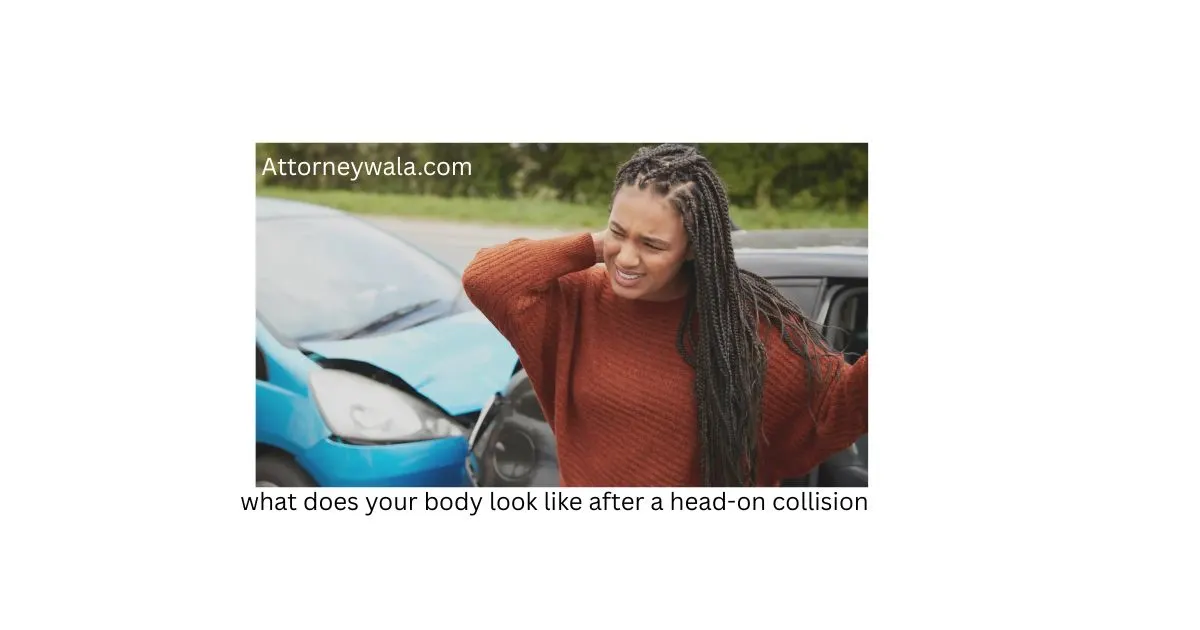
Ultimate Guide: What Does Your Body Look Like After a Head-On Collision? 7 Horrifying Truths Exposed

Picture this: Tires screeching on a foggy interstate as two SUVs collide head-on at 70 mph. The world explodes in a symphony of shattering glass and twisting metal—then, eerie stillness. If you’ve pondered what does your body look like after a head-on collision, you’re tapping into a chilling reality that affects thousands annually.These crashes don’t just total vehicles; they transform human forms in unimaginable ways.
In this ultimate 2025 guide, we’ll dissect the gruesome details of body changes post-impact, from surface scars to silent internal storms. You’ll gain lifesaving insights on spotting injuries, dodging disasters, and rebounding stronger—because knowledge is your best airbag.
Defining the Nightmare: What Exactly Is a Head-On Collision?
A head-on collision erupts when the front ends of two vehicles collide directly, unleashing forces that dwarf other wrecks. This isn’t a glancing blow—it’s a full-frontal assault where speeds combine, mimicking a 140 mph wallop from dual 70 mph cars.
Why so vicious? Your body, strapped in or not, endures a deceleration that defies biology. The National Highway Traffic Safety Administration (NHTSA) reports an estimated 39,345 total traffic fatalities in 2024, with head-on crashes claiming roughly 11%—around 4,300 lives. That’s a stark reminder: Grasping what does your body look like after a head-on collision starts with respecting this raw power.
The Brutal Physics: How Head-On Crashes Wreck Your Body from the Inside Out
Impact hits like a sledgehammer. Your forward momentum clashes with restraints, sparking a cascade of trauma. Even top-tier safety features falter against this fury. Key damages include:
- Cranial Catastrophe: Head vaults into the dash or bag, brewing concussions or traumatic brain injuries (TBIs). Startling stat: TBIs strike up to 50% of severe crash victims, often invisible at first glance.
- Facial Fractures and Whiplash Woes: Explosive airbag blasts (at 200 mph) pulverize jaws and orbits. Your neck hyper-extends, inviting spinal shreds that scream paralysis.
- Thoracic Turmoil: Belts imprint “tram lines” on your chest while compressing organs—think lacerated livers or punctured lungs flooding with blood.
- Extremity Annihilation: Inward-caving dashboards snap femurs and radii, leaving limbs twisted and torn.
Above 50 mph, death odds surge to 80%. Dive deeper into crash dynamics via the Insurance Institute for Highway Safety (IIHS).
Shocking Visuals: What Does Your Body Look Like After a Head-On Collision?

The mirror post-wreck? A horror show that belies deeper devastation. What does your body look like after a head-on collision varies by velocity and defenses, but hallmarks emerge:
- Swollen, Slashed Face: Ballooned cheeks and black-eyed sockets from orbital cracks, dotted with airbag abrasions and glass gashes—like a battered boxer’s mug.
- Torso Tattoos of Trauma: Crimson welts tracing seatbelt paths, a diagonal badge of survival across ribs and collarbone.
- Mangled Members: Limbs ballooned purple, angled wrong from fractures—open wounds revealing bone if compound breaks occur.
- Subtle Sentinels: Pale pallor signals internal bleeds; erratic breathing hints at pulmonary tears. No marks? Brain edema still swells silently.
Fatal scenes? Bodies entombed in debris, potentially ejected or bisected. Vital alert: What does your body look like after a head-on collision often hides aortic rips—ER imaging uncovers 70% of stealth threats. Explore survivor accounts in this CDC crash trauma overview.
Survival Secrets: Can You Make It Through a Head-On Collision Alive?
Harrowing but hopeful: Yes, if speeds dip below 40 mph and you’re buckled with bags deployed—odds leap 50%. Yet, highway head-ons? Unbelted folks die at triple the rate. Top takers: Drowsiness (20% culprit) and lane wanderings on undivided paths.
Game-changers:
- Velocity Veto: +5 mph bumps fatality 10%.
- Ride Right: Pickups outperform compacts in size clashes.
- Sober Steering: Booze fuels 30% of these terrors.
Check NHTSA’s interactive fatality dashboard for trends.
Crisis Response: 5 Critical Steps After a Head-On Collision
Shock numbs the sting, so protocol is paramount for health and claims:
- 911 Onslaught: Dispatch details—spot, status, suspect deets.
- Freeze the Form: No shifting spines sans blaze peril.
- Capture Chaos: Pic the pandemonium, plates, and peeps.
- Med Mandate: Scans snag 70% ghost injuries—don’t DIY.
- Legal Lifeline: Fort Worth folks, snag a head-on specialist for payout pursuits on pain and paychecks. Vet attorneys via this guide (internal link to firm resource).
Grab our [free post-crash checklist PDF (internal download link)] for on-the-go aid.
Bulletproof Habits: 6 Ways to Prevent Head-On Collisions
Empowerment awaits: 75% of head-ons? Dodgeable with discipline. What does your body look like after a head-on collision ends in prevention:
- Zero in: Ditch devices—distractions double doom.
- Lane Loyalty: Pass prudently; eye errant veers.
- Belt Bond: Halves hurl-out horrors by 60%.
- Clear-Headed Cruise: Shun suds and snoozes.
- Speed Sanity: Prime on bends and bipartisans.
- Night Vigil: Lights low? Slow it.
Master maneuvers with AAA’s defensive driving primer.
What Does Your Body Look Like After a Head-On Collision?
Head-on collisions are among the deadliest types of car crashes, often resulting in severe visible and invisible injuries due to the massive forces involved—equivalent to hitting a wall at double the speed of the vehicles. Below, we’ve compiled a schema-friendly FAQ based on expert insights from safety organizations and medical sources. These answers focus on the physical toll, survival odds, and next steps, drawing from the latest 2025 data where available.
Final Verdict: Arm Yourself Against Head-On Havoc Now
From the visceral visuals of what does your body look like after a head-on collision—welted skin, warped bones, whispered bleeds—to triumph tactics and thwarting tricks, this exposé equips you for safer streets. Head-ons hijack lives in heartbeats, but awareness averts agony.
Ignite your drive: Drop a near-miss tale in comments, share to safeguard squad, or sign up for weekly wellness warnings. Be the barrier to the next body-breaking bash.
Disclaimer:This article is for informational purposes only and does not constitute legal advice. Anyone involved in a motorcycle accident should consult with a qualified attorney in their jurisdiction to discuss their specific situation.