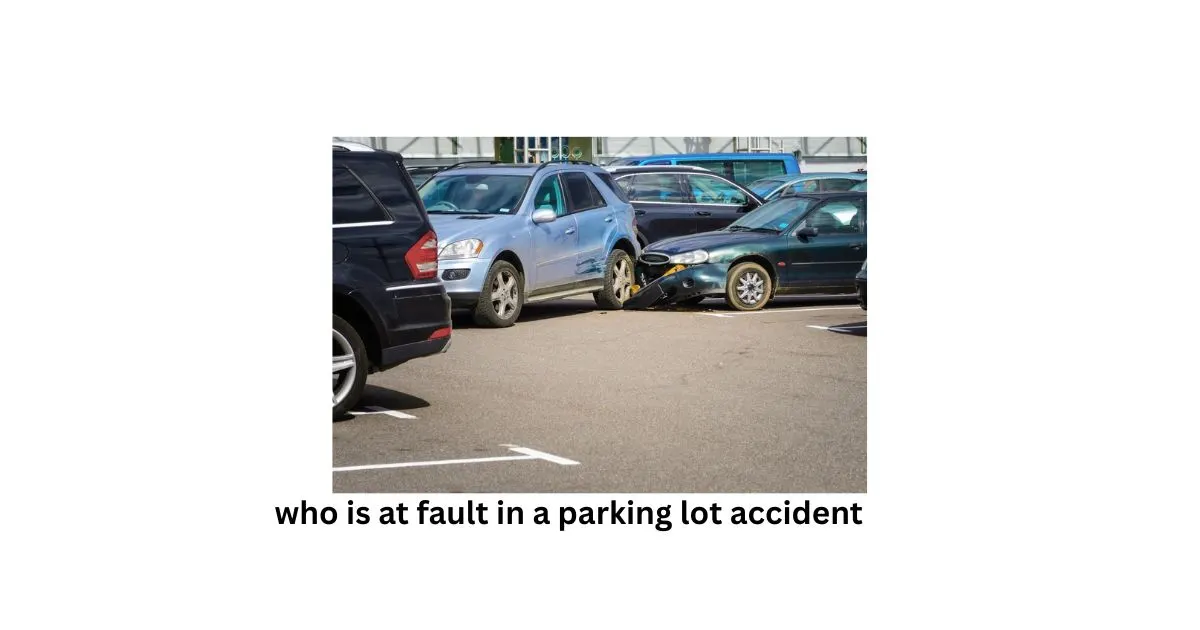
Who Is at Fault in a Parking Lot Accident? The Essential Guide You Need
Parking lot crashes happen more often than most people expect. When they do, the first question everyone asks is: who is at fault in a parking lot accident?
Understanding fault determines who pays for damages, whose insurance rates increase, and who might face legal liability. This guide answers that critical question across every common scenario.
Understanding Fault in Parking Lot Crashes
Who is at fault in a parking lot accident depends on several factors. These include which driver had the right of way, who was moving at the time of impact, and what the physical evidence shows.
Unlike some accidents where fault seems obvious, parking lot collisions often involve unique circumstances that make liability less clear.
How Right-of-Way Determines Who Is at Fault
Determining who is at fault in a parking lot accident starts with understanding priority rules. Even on private property, basic traffic principles apply.
Key Priority Rules:
Vehicles in main travel lanes have priority over cars exiting parking spaces. When asking who is at fault in a parking lot accident involving a car backing out, the reversing driver typically bears responsibility because they must yield to through traffic.
At parking lot intersections, the vehicle on the right generally has priority when both arrive simultaneously. All posted signs—stop signs, yield signs, and directional arrows—help determine who is at fault in a parking lot accident.
Who Is at Fault When Backing Out?
In most backing scenarios, determining who is at fault in a parking lot accident is straightforward: the reversing driver carries responsibility. They must ensure the path is clear before moving backward.
However, when two vehicles back out simultaneously and collide, who is at fault in a parking lot accident becomes more complex. Insurance companies often assign shared liability, typically splitting fault 50/50 between both drivers.
Who Is at Fault in Common Parking Lot Scenarios?
Hitting a Parked Car
Who is at fault in a parking lot accident when you hit a parked vehicle? The moving driver is almost always responsible. A stationary car cannot cause a collision.
Two Cars Backing Out Together
When both vehicles reverse at the same time, who is at fault in a parking lot accident? Usually both drivers share responsibility since each should check before backing.
Collisions in Driving Lanes
Determining who is at fault in a parking lot accident between two moving vehicles requires examining right-of-way rules, speed, and following distance.
Fighting for a Parking Spot
Who is at fault in a parking lot accident over a disputed space? The driver who arrived second or failed to yield typically bears responsibility.
Is Fault Always Split 50/50?
Many people assume parking lot accidents automatically mean equal fault. This is false.
Who is at fault in a parking lot accident is determined individually for each case. Insurance adjusters examine right-of-way rules, vehicle positions, witness testimony, camera footage, and damage patterns. One driver usually bears more responsibility than the other.
How Insurance Companies Determine Who Is at Fault
Insurance investigators use multiple methods to determine who is at fault in a parking lot accident:
Damage Analysis: Rear-end damage typically indicates the trailing driver is at fault. Side impacts suggest one driver failed to yield. Bumper damage during reversing points to the backing driver.
Evidence Review: Photos, security camera footage, witness statements, and police reports all help establish who is at fault in a parking lot accident.
Statement Comparison: Investigators compare both drivers’ accounts to identify inconsistencies and determine credibility.
Insurance Coverage After Determining Fault
Once who is at fault in a parking lot accident is established, different coverages apply:
Collision Coverage: Repairs your vehicle regardless of who is at fault in a parking lot accident, minus your deductible.
Liability Coverage: If you’re determined at fault, this covers the other party’s damages and injuries.
Uninsured Motorist Coverage: Protects you when the at-fault driver lacks insurance or flees the scene.
Should You Call Police to Establish Fault?
Contact law enforcement when injuries occur, damage is substantial, the other driver leaves, or there’s immediate disagreement about who is at fault in a parking lot accident.
While minor scrapes may not require police reports, official documentation helps insurance companies determine who is at fault in a parking lot accident more accurately.
Steps After a Parking Lot Accident
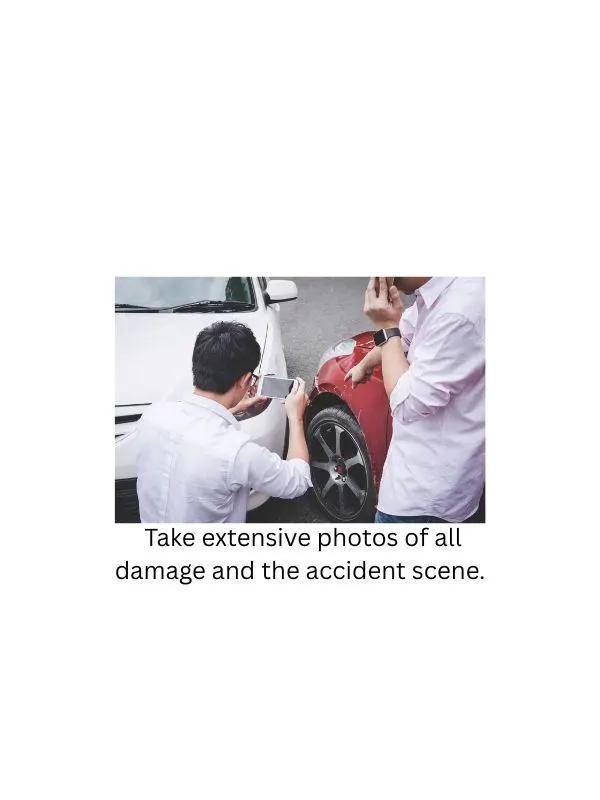
Check for injuries and call emergency services if needed. Move to safety when possible. Exchange complete information including names, phone numbers, license plates, and insurance details. Take extensive photos of all damage and the accident scene. Gather witness contact information. Report to your insurance company immediately.
Critical: Never admit fault at the scene. Let investigators properly determine who is at fault in a parking lot accident based on evidence.
When Legal Help Is Necessary
Consult an attorney if injuries are involved, insurance companies dispute who is at fault in a parking lot accident, the other party is uninsured, or your claim is denied or undervalued.
Lawyers investigate thoroughly, challenge fault determinations when appropriate, and negotiate with insurance companies to protect your interests.
Preventing Parking Lot Accidents
Understanding who is at fault in a parking lot accident helps you avoid becoming the liable party. Drive slowly and stay alert. Check all mirrors and blind spots thoroughly before reversing. Park in less congested areas. Avoid phone use and other distractions. Follow all posted directional signs and traffic flow indicators.
Final Answer: Who Is at Fault?
The question “who is at fault in a parking lot accident” has no single answer. Fault depends on right-of-way rules, vehicle movements, and specific circumstances. Generally, the driver backing out, failing to yield, or violating posted signs bears primary responsibility.
To protect yourself, document everything thoroughly, report promptly to insurance, and consult legal help when fault is disputed or injuries occur.
Frequently Asked Questions
Who is at fault in a parking lot accident most often? Typically the driver who was backing up or who failed to yield right-of-way. Each situation requires individual assessment based on evidence.
Do traffic laws help determine who is at fault? Yes. Standard traffic safety principles apply even on private property and help establish who is at fault in a parking lot accident.
Who is at fault if I hit a parked car? You are. The moving vehicle’s driver is responsible for avoiding stationary objects.
Does insurance cover me if I’m at fault? Your collision coverage repairs your vehicle. Your liability coverage pays for damage you cause to others.
Who is at fault when both cars are backing? Often both drivers share fault equally since each has a duty to check before reversing.
Can damage location prove who is at fault? It provides strong clues but isn’t conclusive alone. Investigators use it alongside other evidence.
Do I need police to determine who is at fault? Not always required for minor accidents, but official reports help insurance companies determine fault accurately.
Who is at fault in a hit-and-run parking lot accident? The fleeing driver. Report it immediately to police and your insurance company.
How quickly must I report to establish fault? Most insurers require notification within 24-48 hours. Prompt reporting helps preserve evidence for fault determination.
When should I hire a lawyer about fault disputes? When injuries exist, insurance denies your claim, fault is contested, or you believe the fault determination is incorrect.
Leagal Disclaimer : This article is for informational purposes only and does not constitute legal advice. Laws vary by state, and individual cases may have unique circumstances that affect legal strategy. Always consult with a qualified workers compensation attorney for advice specific to your situation. For more information about workplace safety and compensation laws.